
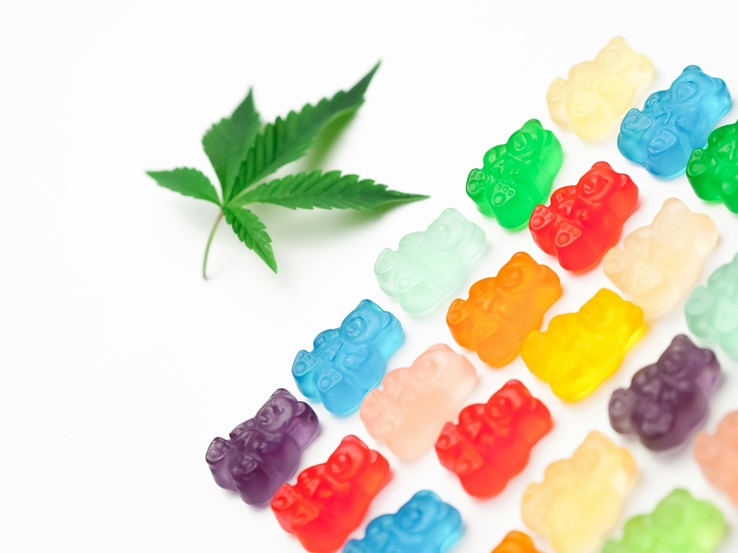
Finding good sleep can be a bit like trying to catch a moving target. Many adults wonder if eating hemp-derived Delta-9 THC gummies will relax the mind, let the tension leave their shoulders, and make falling asleep just a bit easier. This article will discuss how Delta-9 may help, suggest some dose ranges, and talk about some side effects to look for so readers can make informed and intentional decisions.
Can Delta 9 Gummies Help You Sleep?
Delta-9 THC interacts with the body’s endocannabinoid system, and reports suggest it can help provide relaxation and relief from stress. For many, a low nighttime dose can reduce my mind chatter and settle my body to make it easier to sleep. The relaxant effects will match well with a dark room and the repetitiveness of a reliable bedtime ritual.
For more details, visit this site https://www.sciencedirect.com/topics/chemistry/delta-9-tetrahydrocannabinol.
But responses differ. Some people note they fall asleep faster and wake up less in the middle of the night, while others feel slightly sluggish in the morning if they use a little too much Delta 9. Because edibles take longer to act and are more active longer, they are often really nice for people who wake up at 3am after a few hours—if the dose is appropriate.
How Much Delta 9 Should You Take for Rest?
Edibles are slow acting. Most people take low doses and sit back to see how they feel before increasing. The person’s body weight, last meal, and level of individual sensitivity all play a role. A calm and screen-free wind-down, along with a consistently same time bedtime, are beneficial too.
- Beginner: 1-2.5 mg—a classic way to microdose edibles that will give gentle relaxation without getting heavily intoxicated.
- Occasional user:5-5 mg usually helps you fall asleep with little next-day fog if consumed about 60-90 minutes before lights out.
- Experienced user: 5-10 mg is reasonable for individuals with higher tolerance, but increasing good doses, consistent with the measured serving size, is wiser than going up later if you take too much on your first increased dose.
Lastly, take your edible with a small snack. Edibles often take more time to feel their effects (45-120 minutes) and will last longer (4-8 hours).
Want to learn about reading a product’s Certificate of Analysis or dose chart? Click here for an easy guide to understanding this important information. Choose brands that publicly share independently tested lab results so milligrams per gummy and cannabinoid profile on labels are accurate.
Possible Side Effects
Even at a low dose, Delta-9 could cause dry mouth, pink eye, or a faster heart rate. If consuming more than your average dose, anxiety, dizziness, nausea, or the too-heavy “couch-lock” happen—edibles affect users longer than smoking, so next-day grogginess could occur. This is especially true when taking a larger dose, or on an empty stomach, when late-night snacking delays the habit of your digestion cycle.
Delta-9 could also interact with alcohol and sedating drugs, and people who are pregnant or nursing, have identified substance use conditions, or significant underlying heart, lung, or psychiatric conditions should avoid THC unless clinician-directed. Nobody should drive or operate machinery after taking THC. Last, ensure that you have checked local laws; even hemp-derived THC products are regulated and restricted variably from jurisdiction to jurisdiction.
Sleep Cycles and THC Connection
Sleep has its cycles: light sleep, deep slow-wave sleep, and REM (dream) sleep. Low doses of Delta-9 could decrease the amount of time it takes to fall asleep and could increase deep slow-wave early in the night. Some use “less awaking” and “calm body,” to describe their experiences.
There are some caveats; frequent and higher doses of Delta-9, may trim REM sleep and potentially affect any associated dream recall. If someone stops a regular nightly THC regimen, for a short duration, they may notice much more vivid dreams, this is because of REM rebound. What needs to be recognized is the balance of how much relaxation and ease is needed to fall asleep, without using doses too high which spoil overall sleep architecture. However, some KISS (keep it simple, stupid) principles for sleep can support good sleep cycles while using THC for sleep, such as: getting into a rhythm with bedtime and wake time, dark and cool room, obviously no caffeine late in the day, and keeping some consistent sleep-time habits.
Alternatives for Better Sleep
THC is not the only way to a more peaceful night. Many people have found many different ways by layering gentler tools for similar effects with less risk. Before reaching for higher THC personal doses see if there are options listed below that you would enjoy, and that align with your medical professional’s advice.
- CBD or blended products: Some people prefer full-spectrum CBD, or their blended low-THC CBD products to provide a softer body feel and to avoid the “morning fog”, which is lessened the next day. If someone has high THC sensitivities, then it is possible to use a broad-spectrum hemp extract (non-detectable THC) to support some relaxation of the nervous system. Visit https://www.verywellhealth.com/what-is-full-spectrum-cbd-5088630 to learn more.
- Evening reset: Sticking to consistent bed and wake times, dimming lighting after sunset, and being very intentional about cool bedroom climate can all assist with sleep construction.
- Mind–body relaxation: Some gentle stretches, breathwork (4-7-8 breath), or short body scan meditation (breath-counting exercise), could reduce physical and psychological arousal before bed.
- Nutrition and stimulants: Minimized caffeine consumption after mid-afternoon and limit heavy meals closer to the evening. However, a light snack or a small balanced meal if someone gets hungry at 3 a.m.
- Light management: Sunlight exposure first thing in the morning (helps to anchor body clock) and engaging with screens 60 minutes before bed can be very helpful in conserving melatonin.
Conclusion
Delta-9 gummies can be safe to use and can potentially be helpful for sleep when someone consciously considers their use: start low, go slow, continue to select products that are clear about dosing and factors verified by third-party lab results. Not understanding dosing expectations, if you want to protect desired sleep habits, and/or are on other medications, all require a conversation with your healthcare professional. With a little intention and patience, many people reported a small dose of cannabis taken at the right time… may have provided gentle relaxation and an easier way to sleep.
