
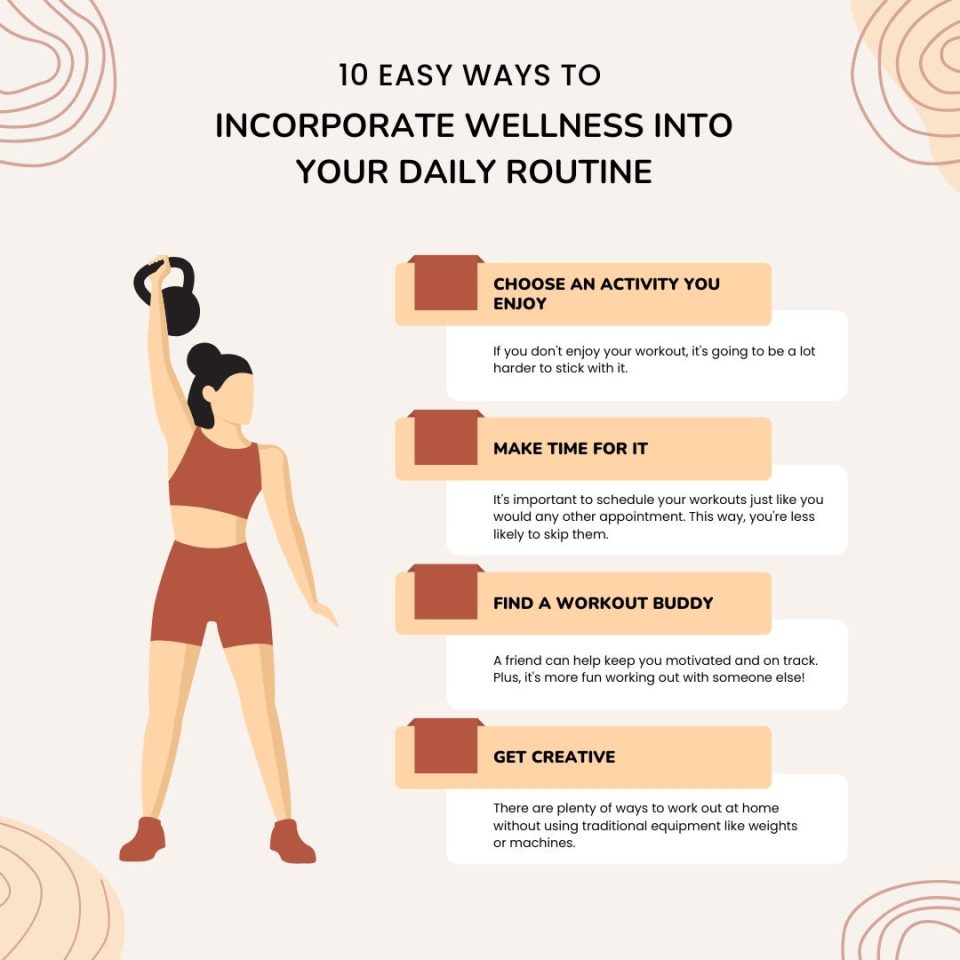
Health is one of the most valuable assets a person can have. It influences energy levels, emotional stability, productivity, and overall quality of life. In today’s fast-paced world, maintaining good health requires a balanced approach that considers physical wellness, mental well-being, and sustainable daily habits. Understanding these components helps individuals build stronger, healthier lifestyles.
The Importance of Physical Health
Physical health forms the basis of overall wellness, affecting how the body functions and how effectively it can adapt to daily demands.
Key Elements of Physical Wellness
- Regular exercise to strengthen muscles and improve cardiovascular health
- Adequate sleep, supporting recovery and mental clarity
- Balanced nutrition, providing essential nutrients
- Hydration, crucial for digestion, circulation, and cellular function
- Routine medical check-ups to detect issues early
Benefits of Maintaining Physical Fitness
Consistent physical activity boosts energy, supports immune function, reduces chronic disease risk, and enhances longevity.
Nutrition: Fueling the Body Mindfully
Food choices directly influence health, affecting energy levels, metabolism, and long-term wellness.
Core Principles of Healthy Eating
- Incorporate fruits and vegetables in daily meals
- Choose whole grains over refined options
- Include lean proteins such as chicken, legumes, and fish
- Opt for healthy fats like nuts, seeds, and olive oil
- Limit added sugars, salt, and highly processed foods
Why Nutrition Matters
Proper nutrition helps regulate weight, improve digestive health, strengthen immunity, and maintain hormonal balance.
Mental and Emotional Well-Being
Mental health is equally important as physical health, shaping how individuals handle stress, interact socially, and make decisions.
Strategies to Support Mental Wellness
- Practice mindfulness and meditation
- Maintain healthy social connections
- Manage stress through hobbies or relaxation techniques
- Set boundaries to avoid burnout
- Seek support from professionals when needed
Impact of Good Mental Health
A balanced mind improves resilience, enhances problem-solving skills, and fosters emotional stability.
Preventive Health and Lifestyle Choices
Taking proactive steps to prevent illness is a key part of long-term wellness.
Preventive Health Measures
- Vaccinations and routine screenings
- Healthy body weight maintenance
- Avoiding smoking and excessive alcohol
- Safe hygiene practices to reduce infections
- Staying physically active daily
Long-Term Advantages
Preventive care supports better aging, reduces medical expenses, and promotes a higher quality of life.
Building Sustainable Health Habits
Health is not achieved overnight—it’s the result of consistent, meaningful choices.
Habits That Promote Long-Term Wellness
- Create a structured daily routine
- Prioritize sleep with consistent sleep-wake cycles
- Prepare healthy meals at home
- Set achievable fitness goals
- Track progress to stay motivated
Why Consistency Matters
Sustainable habits ensure long-lasting benefits, helping individuals stay balanced and focused on their wellness journey.
FAQs
1. How many hours of sleep should adults get each night?
Most adults need 7–9 hours of sleep for optimal health and performance.
2. What is the best type of exercise for improving overall health?
A combination of cardiovascular activity, strength training, and flexibility exercises offers the best results.
3. How can I manage stress more effectively?
Regular exercise, meditation, hobbies, and setting boundaries help reduce stress significantly.
4. Do supplements replace a healthy diet?
No. Supplements can fill gaps, but whole foods should remain the primary source of nutrients.
5. How much water should I drink daily?
A general guideline is 6–8 glasses a day, though individual needs vary based on activity and climate.
6. Is mental health connected to physical health?
Yes. Mental well-being influences sleep, immunity, and lifestyle choices, directly affecting physical health.
7. How often should I get a health check-up?
Annual check-ups are recommended, but frequency may vary depending on age, health conditions, and doctor advice.
