
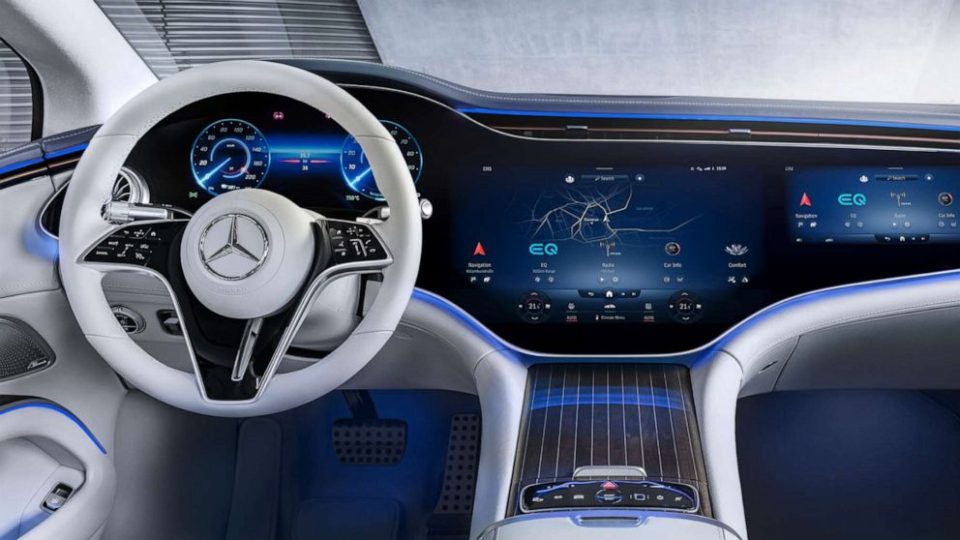
The automotive sector is undergoing its most transformative phase in history. Innovations in electrification, automation, connectivity, and sustainable manufacturing are redefining how vehicles are built, operated, and experienced. This article explores the major advancements shaping the next generation of automobiles and what they mean for drivers, manufacturers, and the global market.
How Electrification Is Reshaping the Auto Industry
Electric vehicles (EVs) are no longer niche products; they have become central to the industry’s long-term strategy.
Why EV Adoption Is Accelerating
- Government incentives promoting zero-emission mobility
- Lower operating costs compared to traditional combustion engines
- Improved battery performance, offering longer range and shorter charging times
- Expanding charging networks in urban and rural areas
Advancements in Battery Technology
New battery chemistries, including solid-state designs, promise:
- Higher energy density
- Faster recharging
- Enhanced safety
- Longer overall lifespan
These improvements are making EVs more appealing to mainstream buyers.
Automation: The Path Toward Fully Self-Driving Cars
Autonomous driving technology continues to evolve, powered by AI, sensors, and real-time data processing.
Current Levels of Autonomy
- Level 2: Driver assistance with lane-keeping and adaptive cruise control
- Level 3: Conditional automation under specific conditions
- Level 4–5: High to full automation (still undergoing testing and refinement)
How Autonomous Systems Improve Safety
Advanced driver-assistance systems (ADAS) help reduce accidents caused by human error through features like:
- Automatic emergency braking
- Blind-spot monitoring
- Lane-departure alerts
- Adaptive headlights
Connectivity: Vehicles That Communicate
Connected cars are redefining mobility by enabling seamless communication between vehicles, infrastructure, and the cloud.
Key Connectivity Features
- Over-the-air updates, keeping software current without service visits
- V2V and V2I communication, improving traffic flow and safety
- Real-time navigation and diagnostics, enhancing convenience
Benefits for Drivers and Manufacturers
Manufacturers can rapidly deploy fixes and enhancements, while drivers enjoy improved efficiency and more personalized experiences.
Sustainable Manufacturing and Materials
The push for sustainability extends beyond vehicle operation. Automakers are adopting greener manufacturing methods to reduce environmental impact.
Eco-Friendly Innovations
- Use of recycled aluminum and plastics
- Adoption of renewable energy in production facilities
- Development of bio-based materials for interiors
- Reduced water consumption during manufacturing
These efforts help lower the carbon footprint across a vehicle’s entire lifecycle.
The Rise of Smart Mobility Solutions
Urbanization and digital transformation are creating new mobility models.
Popular Smart Mobility Trends
- Car-sharing and ride-sharing platforms
- Micro-mobility options like e-scooters and e-bikes
- Mobility-as-a-Service (MaaS) integrating public and private transport
These systems aim to reduce congestion and promote cost-effective, environmentally friendly travel.
What the Future Holds
Looking ahead, the automotive industry will continue to integrate advanced technologies that make mobility safer, cleaner, and more intelligent. The combination of electrification, automation, connectivity, and sustainability positions the industry for a future where the driving experience is more efficient and enjoyable than ever.
FAQs
1. Are electric vehicles cheaper to maintain than gasoline cars?
Yes. EVs have fewer moving parts, leading to lower maintenance costs over time.
2. How long does it take to charge an EV?
Charging times vary, ranging from under 30 minutes at fast-charging stations to several hours using home chargers.
3. Can self-driving cars operate without human supervision?
Fully autonomous operation is still under development. Current systems require varying degrees of human oversight.
4. What are the biggest challenges facing EV adoption?
Common challenges include charging infrastructure availability, battery cost, and consumer awareness.
5. How do over-the-air updates work?
These updates are wirelessly delivered to a vehicle’s onboard software, similar to smartphone updates.
6. Will traditional combustion engine vehicles disappear?
While not immediately, many countries plan to phase them out gradually in favor of low-emission alternatives.
7. Do connected cars pose security risks?
Like any connected device, they require strong cybersecurity measures, which manufacturers are increasingly implementing.
Meta Title
The Future of Automotive Technology | Innovations Shaping Modern Mobility
Meta Description
Explore the major advancements transforming the automotive industry, including electric vehicles, autonomous driving, connectivity, and sustainable manufacturing, plus key FAQs.
If you’d like, I can also expand this into a longer guide, tailor it to a specific automotive niche, or create multiple related articles.
