
Choosing the right playschool is one of the first important decisions parents make when beginning their child’s educational journey. Early childhood is a special stage of development when children start exploring their surroundings, building relationships, and discovering new abilities. A welcoming and supportive learning environment can make this transition enjoyable while helping children develop confidence, curiosity, and independence.
When exploring options for a playschool in Mumbai, parents should look beyond attractive classrooms and convenient locations. Safety, hygiene, qualified educators, age-appropriate activities, and emotional well-being are equally important factors. A good playschool should provide a balanced environment where children feel comfortable, valued, and encouraged to learn through everyday experiences.
1. Prioritise Safety and Security
A safe playschool should have well-maintained classrooms, secure entry and exit points, and child-friendly infrastructure. Parents should check whether the premises are designed to minimise accidents and provide enough space for children to move around comfortably.
Important safety features to look for include:
- Secure gates and controlled visitor access.
- CCTV surveillance in appropriate common areas.
- Child-safe furniture with rounded edges.
- Clean, age-appropriate toys and play equipment.
- Emergency preparedness and first-aid facilities.
- Proper supervision during indoor and outdoor activities.
A well-planned safety system gives parents peace of mind while allowing children to explore their surroundings confidently.
2. Check Hygiene and Cleanliness Standards
Young children need a clean environment to remain comfortable and healthy. Classrooms, washrooms, play areas, and eating spaces should be cleaned and maintained regularly.
Look for playschools that encourage good hygiene habits, such as washing hands before meals, keeping personal belongings organised, and maintaining clean surroundings. Drinking water facilities, hygienic washrooms, and properly maintained learning materials are also important considerations.
These everyday practices help children develop healthy habits from an early age.
3. Look for Qualified and Caring Educators
Teachers play an essential role in shaping a child’s first learning experiences. At the playschool level, educators should be patient, approachable, attentive, and trained to understand the developmental needs of young children.
Observe how teachers interact with children during classroom activities. They should encourage participation, listen patiently, and respond positively to children’s questions and emotions.
A nurturing educator creates an atmosphere where children feel comfortable expressing themselves, asking questions, and gradually developing independence. Smaller class sizes and appropriate teacher-to-child ratios can also help ensure individual attention.
4. Choose a Play-Based Learning Environment
At an early age, children learn naturally through exploration, interaction, and hands-on experiences. Therefore, a good playschool should offer activities that combine enjoyment with meaningful learning opportunities.
Some valuable activities include:
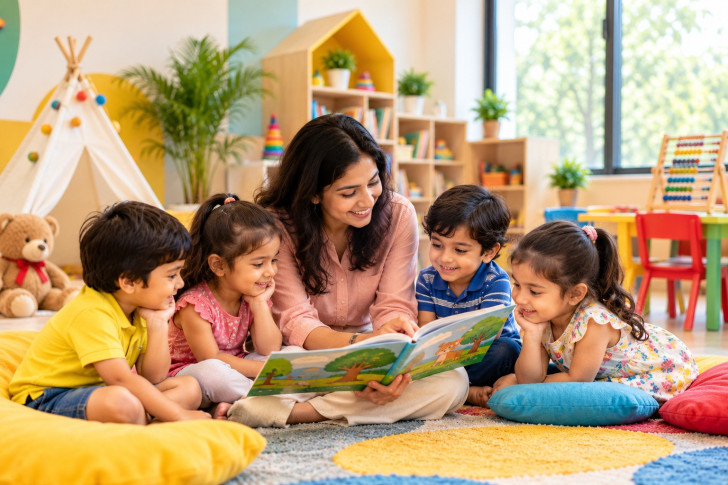
- Storytelling: Develops listening, vocabulary, and communication skills.
- Music and movement: Encourages rhythm, creativity, and physical coordination.
- Art and craft: Supports imagination and fine motor development.
- Sensory activities: Introduces children to different textures, shapes, and materials.
- Pretend play: Builds creativity, social interaction, and problem-solving abilities.
- Outdoor play: Encourages physical activity, balance, and teamwork.
A balanced programme should allow children to discover new interests without placing unnecessary academic pressure on them.
5. Evaluate Emotional Well-Being and Social Development
Starting playschool is a significant milestone for children. They gradually become comfortable spending time away from their families, interacting with peers, and following new routines.
Parents should look for an environment that supports emotional development alongside early learning. Educators should help children understand their feelings, practise sharing, take turns, and develop positive relationships.
Activities involving group storytelling, collaborative play, and simple classroom responsibilities can help children develop confidence and a sense of belonging.
6. Consider the Classroom Environment and Facilities
A thoughtfully designed classroom can make learning more enjoyable. Look for bright, well-ventilated spaces with age-appropriate furniture, accessible learning materials, and dedicated areas for different activities.
Outdoor play spaces, creative corners, reading areas, and interactive learning resources can further enrich children’s experiences. The environment should encourage exploration while remaining organised, comfortable, and easy for young learners to navigate.
7. Understand Parent-Teacher Communication
Regular communication between parents and educators helps create consistency between home and school. A good playschool should keep parents informed about their child’s activities, progress, interests, and adjustment to the classroom environment.
Ask whether the school conducts parent-teacher meetings, shares developmental updates, and provides opportunities to discuss concerns. Open communication builds trust and helps parents actively participate in their child’s early learning journey.
Conclusion
Selecting the right playschool involves finding an environment where safety, care, and early education work together. From hygienic classrooms and experienced educators to play-based activities and emotional support, every element contributes to a positive beginning.
When choosing a playschool in Mumbai, parents should prioritise an institution that encourages curiosity, creativity, confidence, and independence while ensuring children’s physical and emotional well-being. A safe and nurturing playschool does more than introduce children to formal learning; it creates meaningful first experiences that help them develop a lifelong love for learning.
