
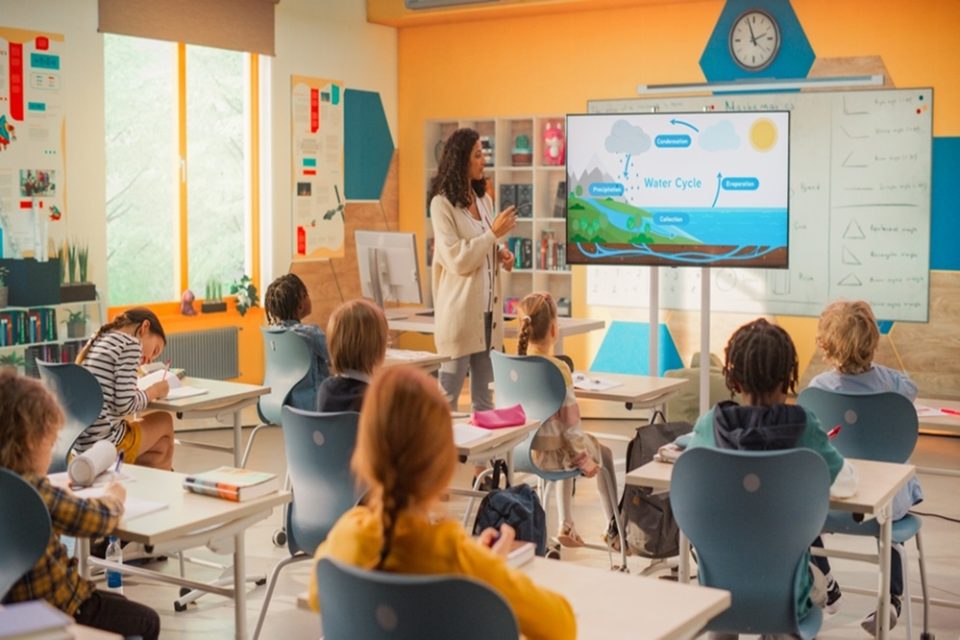
Education is undergoing a profound transformation, driven by technological innovation, global connectivity, and shifting societal needs. The traditional classroom is expanding into digital spaces, learning resources are becoming more accessible, and students are gaining more personalized pathways to knowledge. This article explores the major developments shaping modern education and how they are influencing learners and educators around the world.
The Shift Toward Digital and Hybrid Learning
Technology has redefined how education is delivered, enabling flexible learning experiences that suit a variety of needs and lifestyles.
Why Digital Learning Is Growing
- Greater accessibility for students in remote or underserved regions
- Flexible scheduling, allowing learners to study at their own pace
- Interactive content, including videos, simulations, and virtual labs
- Cost-effective learning models through online platforms and open learning resources
Impact on Students and Educators
Digital and hybrid models promote collaboration, broaden educational access, and enhance student engagement through multimedia and interactive tools.
Personalized Learning and Adaptive Education
New educational models focus on creating experiences tailored to each learner’s abilities, interests, and learning speed.
Key Features of Personalized Learning
- Adaptive software that adjusts difficulty based on performance
- Competency-based progression, letting students move ahead after mastering concepts
- Tailored feedback to support individual strengths and weaknesses
Benefits for Long-Term Learning
Students develop deeper understanding, increased motivation, and stronger independence. Educators gain insights into student performance with the help of real-time data analytics.
The Growing Role of Technology in the Classroom
Technology is no longer an optional supplement; it has become a critical component of modern education.
Popular EdTech Tools
- Learning management systems (LMS)
- AI-powered tutoring tools
- Virtual and augmented reality for immersive experiences
- Cloud-based collaboration platforms
Enhancing Classroom Engagement
EdTech tools create dynamic learning environments, support differentiated instruction, and encourage critical thinking and problem-solving.
Emphasis on Skills for the Future Workforce
Education systems are increasingly aligning with the demands of a fast-changing job market.
Essential Skills for the Future
- Digital literacy and technical proficiency
- Critical thinking and analytical reasoning
- Creativity and innovation
- Communication and teamwork
- Emotional intelligence and adaptability
Why Skill-Based Education Matters
Preparing students for modern careers means emphasizing both cognitive skills and soft skills that help them succeed in diverse professional environments.
Holistic and Inclusive Education
A modern education system recognizes that student well-being is as important as academic performance.
Elements of Holistic Education
- Mental health support
- Social and emotional learning (SEL)
- Inclusive curriculum for students of all abilities
- Focus on diversity and cultural awareness
Long-Term Impact
Holistic education nurtures resilient, empathetic, and globally minded individuals equipped to handle life’s challenges.
FAQs
1. What is the main difference between digital learning and traditional learning?
Digital learning uses online tools and platforms, providing greater flexibility, whereas traditional learning relies heavily on in-person instruction.
2. Are online degrees considered credible by employers?
Most accredited online programs are widely recognized, especially those offered by established universities.
3. How does personalized learning benefit students?
It tailors lessons to individual needs, improving comprehension, motivation, and learning outcomes.
4. What technologies are most commonly used in modern classrooms?
LMS platforms, digital whiteboards, AI-based tools, and VR/AR are widely used to enhance instruction.
5. How can educators adapt to rapid technological changes?
Continuous professional development, technology training, and collaboration with peers help teachers stay current.
6. Why is skill-based learning important today?
It equips students with practical abilities and soft skills needed for evolving career markets.
7. How does holistic education support student growth?
It addresses mental, emotional, social, and academic development, promoting stronger overall well-being.
