
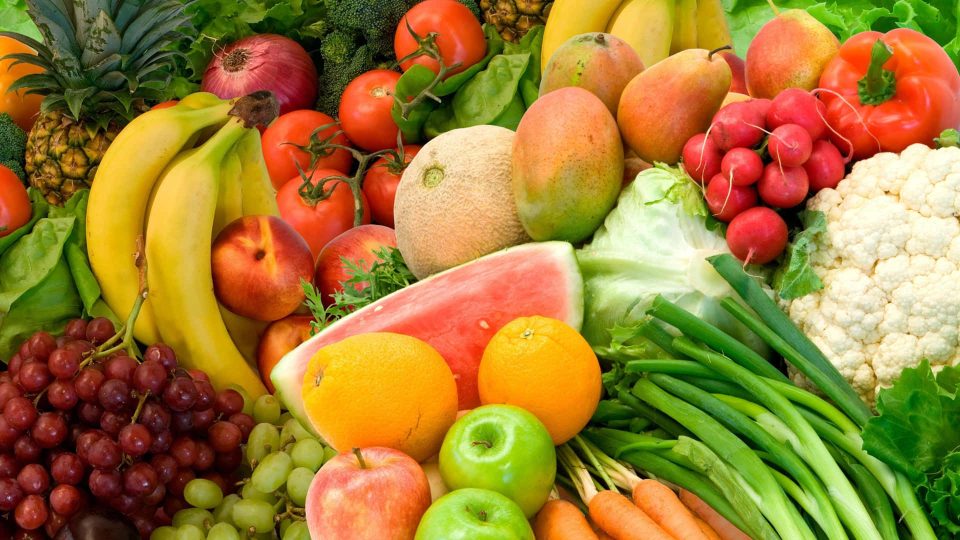
Food is more than sustenance—it’s a blend of nutrition, creativity, culture, and sensory experience. As global cuisine evolves and people become more conscious about what they eat, understanding the fundamentals of food has never been more important. From exploring ingredients to recognizing the role of nutrition, food continues to shape lifestyle, health, and identity.
The Importance of Nutrition in Daily Eating
Nutrition plays a central role in maintaining overall health and supporting daily activities. A balanced diet provides the body with essential nutrients needed for growth, immunity, and energy.
Key Components of a Balanced Diet
- Carbohydrates for energy
- Proteins for muscle repair and cellular function
- Fats for brain health and hormone production
- Vitamins and minerals for immune support and metabolic processes
- Fiber for digestive health
Why Balanced Eating Matters
A well-rounded diet helps reduce the risk of chronic conditions, enhances mental clarity, stabilizes mood, and supports long-term wellness.
The Rise of Sustainable and Organic Food
Consumers are increasingly seeking sustainable and ethically sourced food choices as awareness of environmental impact grows.
Benefits of Sustainable Food Practices
- Reduced carbon footprint
- Preservation of natural resources
- Improved animal welfare
- Support for local farmers and communities
Organic Food Trends
Organic fruits, vegetables, dairy, and grains are gaining popularity due to:
- Limited pesticide exposure
- Natural farming practices
- Perceived higher nutritional quality
Exploring Global Cuisines and Cultural Influence
Food is deeply connected to culture, tradition, and heritage. Each region brings unique flavors, cooking methods, and ingredients.
Popular Global Cuisines
- Italian: pasta, cheese, herbs
- Indian: spices, curries, rice-based dishes
- Japanese: sushi, fermented foods, seasonal ingredients
- Mexican: corn, beans, chilies, bold flavors
Why Cultural Food Matters
Cultural cuisine fosters identity, creates social connections, and preserves traditions passed down through generations.
The Evolution of Modern Cooking Techniques
Advancements in culinary methods have enhanced the flavors, textures, and presentation of food.
Modern Techniques Gaining Popularity
- Sous-vide cooking for precise temperature control
- Air frying to reduce oil consumption
- Fermentation for probiotics and complex flavors
- Plant-based culinary innovations, including dairy and meat alternatives
Enhancing Creativity in the Kitchen
These techniques encourage experimentation, helping home cooks and chefs elevate everyday dishes.
Smart Eating: Building Healthy Food Habits
Developing mindful eating practices is key to maintaining a balanced relationship with food.
Healthy Eating Habits to Adopt
- Eat whole and minimally processed foods
- Prioritize portion control
- Stay hydrated throughout the day
- Plan meals ahead of time
- Choose colorful fruits and vegetables
Benefits of Mindful Eating
Mindful eating promotes better digestion, prevents overeating, and helps individuals appreciate flavors more deeply.
FAQs
1. Are organic foods always healthier than conventional foods?
Not always. Organic foods reduce exposure to pesticides, but nutritional differences vary based on the product and farming method.
2. What is the best way to maintain a balanced diet?
Include a variety of whole foods, control portions, and ensure meals contain protein, healthy fats, and complex carbohydrates.
3. How can I introduce healthier meals to my family?
Start with small swaps—use whole grains, reduce added sugars, and incorporate more vegetables into familiar recipes.
4. Are plant-based diets suitable for everyone?
Most people can benefit from them, but nutrient planning is essential to ensure adequate protein, iron, and vitamin B12.
5. What are easy ways to reduce food waste at home?
Plan meals, store food properly, repurpose leftovers, and buy only what you need.
6. How important is hydration for overall health?
Hydration is crucial for digestion, circulation, temperature regulation, and cognitive function.
7. Do cooking methods affect nutrient levels?
Yes. Steaming, roasting, and sautéing generally preserve more nutrients compared to deep frying or overboiling.
