
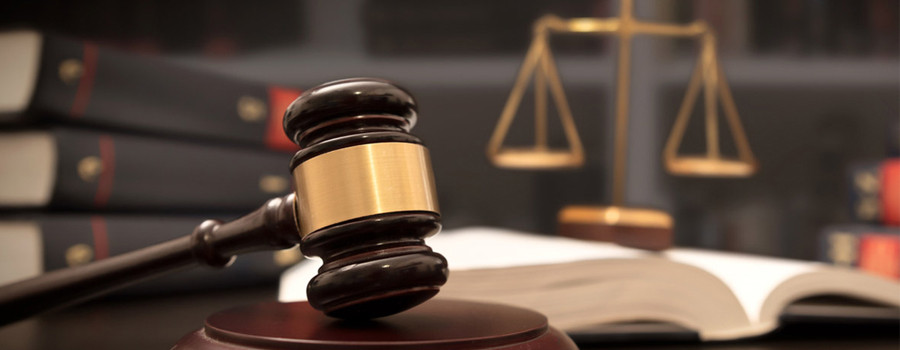
Law shapes the foundation of society, ensuring order, fairness, and protection for individuals and communities. Whether it involves personal rights, business agreements, or criminal justice, understanding basic legal principles helps people navigate important decisions with confidence. While the legal system can seem complex, gaining familiarity with its core functions makes it easier to recognize one’s rights and responsibilities.
The Purpose and Structure of Law
Laws exist to maintain societal balance and resolve disputes in a fair and consistent manner.
Why Law Matters
- Protects individual rights and freedoms
- Prevents conflicts and provides clear guidelines
- Promotes justice and equality
- Holds individuals and institutions accountable
- Safeguards public order and safety
Key Branches of Law
- Criminal law: Addresses offenses against society
- Civil law: Governs disputes between individuals or entities
- Family law: Covers marriage, divorce, child custody, and related matters
- Corporate law: Involves company formation, governance, and compliance
- Constitutional law: Protects fundamental rights and outlines government structure
Legal Rights and Responsibilities
Understanding one’s rights is essential for fair treatment under the law. Equally important is recognizing the responsibilities that accompany these rights.
Basic Legal Rights
- Right to legal representation
- Right to due process
- Right to privacy and protection from unlawful searches
- Right to freedom of speech and expression
- Right to a fair trial
Personal Responsibilities Under the Law
- Follow established laws and regulations
- Respect the rights of others
- Fulfill contractual obligations
- Provide truthful information when required
- Act responsibly in public and private settings
Contracts and Agreements: What Everyone Should Know
Contracts are a major part of both personal and professional dealings.
Key Elements of a Valid Contract
- Offer and acceptance
- Mutual consent
- Consideration (exchange of value)
- Legal purpose
- Competent parties
Why Contracts Matter
They clarify expectations, reduce misunderstandings, and create legally enforceable commitments.
The Role of Lawyers and Legal Professionals
Legal professionals help interpret laws, represent clients, and ensure justice is served.
What Lawyers Do
- Provide legal advice
- Draft documents and contracts
- Represent clients in court
- Negotiate settlements
- Interpret legal complexities
When to Consult a Lawyer
Seeking legal guidance is important when dealing with disputes, major agreements, criminal accusations, or any significant legal uncertainty.
Access to Justice and Legal Support
Access to justice ensures that all individuals, regardless of background, can use the legal system effectively.
Ways People Gain Legal Support
- Public defenders for criminal cases
- Legal aid organizations offering low-cost or free assistance
- Community legal clinics
- Pro bono services from private attorneys
- Online legal resources and self-help centers
Why Access Matters
Without proper support, individuals may face unfair treatment or struggle to understand their legal options.
FAQs
1. What should I do if I’m involved in a legal dispute?
Document everything, avoid making assumptions, and consult a legal professional for advice based on your situation.
2. Are verbal agreements legally binding?
Yes, they can be, but written contracts provide clearer proof and are easier to enforce.
3. How long does a typical court case take?
The duration varies depending on complexity, evidence, legal procedures, and court schedules.
4. Can I represent myself in court?
Self-representation is allowed, but professional legal guidance is usually recommended.
5. What is the difference between civil and criminal cases?
Civil cases involve private disputes, while criminal cases address actions considered offenses against society.
6. How can I know if a contract is fair?
Review the terms carefully, compare similar agreements, and seek legal advice if uncertain.
7. What happens if someone violates my legal rights?
You can file a complaint, seek legal counsel, or pursue civil or criminal action depending on the situation.
